No criticism please – we’re politicians

0
61

By Tim Coyle*

‘Reflecting frustration within the government at claims it has not spent enough on defence, (Defence Minister)  Marles said military spending did not rise “as a result of think tanks, or former generals, or washed-up bureaucrats” but because of vigorous debates around the cabinet table’. (Sydney Morning Herald 12 April 2026).

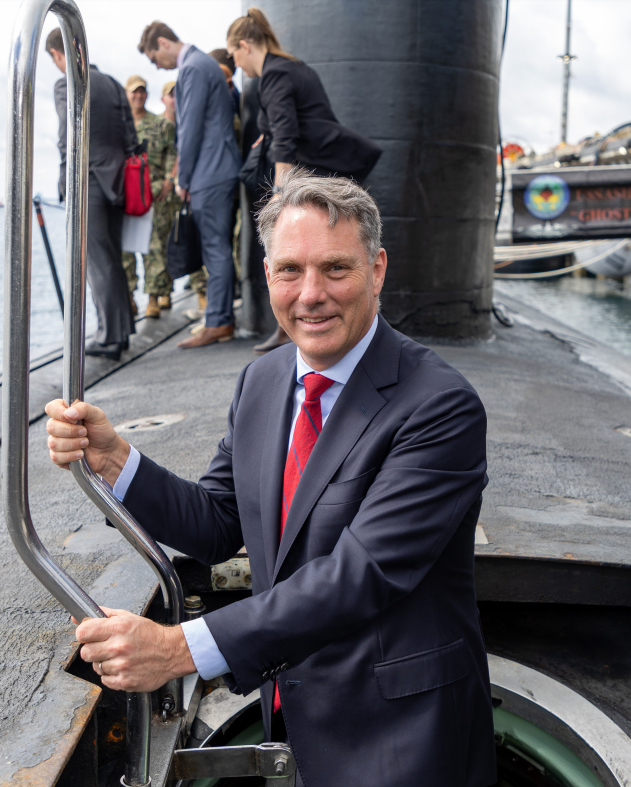
Minister Marles, in presenting the 2026 National Defence Strategy at the Canberra Press Club, evinced the above sideswipe at what he might alternatively describe as the ‘chattering classes’.

At its narrowest interpretation, Marles might be expressing his chagrin that the incessant commentary on defence spending is wearing. The domestic harping on the extent of defence expenditure was controversially originated in reporting from the 2025 Shangri-La security conference in Singapore. US Defense/War Secretary Hegseth opined that Australia should increase defence spending to 3.5% of its GDP (following similar demands addressed at European allies). This has become a continual irritant to the Australia Government.

In a wider contextual interpretation Marles comment might suggest that critical national defence commentary (both subjective and objective) is not welcomed – specifically, from “washed-up bureaucrats and former generals”). He insinuates that “we know what we’re doing because we have a vigorous debate about it in Cabinet”.

Every Australian citizen has a right to voice their view on defence and national security. While these matters are seen by much of the electorate as arcane, there is a growing public swell of informed individuals who are concerned about Australian national security.

The 2026 NDS, as presented by Marles, has attracted guarded support while incurring criticism. This is welcomed as an opportunity for free and informed discussion, buttressed by objective analysis.

However, Marles’ disdain for ‘think tanks, washed -up bureaucrats and generals’ is dismissive and petulant.   Healthy objective analysis and criticism is essential for fostering transparency in national security policy and implementation. AUKUS Pillar One is an outstanding example of the clumsy and boorish dumping of the SEA1000 Attack class submarine project. Eminent critics who Minister Marles might label as ‘washed up’ have  argued that alternative options existed and could have been transparently debated which may have avoided the subsequent political controversies.

Minister Marles, in Opposition, reportedly ‘agonised’ over the decision to support AUKUS. The US insisted that the Australian Opposition (Labor) had to agree to support the program, – a reasonable expectation. However, the then Coalition government gave the Opposition 24 hours’ notice to reach a decision. Any request for additional time to allow for an open debate would have immediately resulted in Labor being labelled as ‘weak on defence’ .

Some of Australia’s most respected strategic analysts and  submariners have published opinions on this program. Minister Marles, having embraced AUKUS following his appointment as Defence Minister, is progressing his portfolio in accordance with Government policy. However, his throwaway line is demeaning and unnecessary.

Doubtless these very individuals and organisations will wear this deprecatory remark as a badge of honour and redouble their efforts to constructively critique.

There will be others who dismiss these types of slights as simply a politician’s thought bubble and not worth getting too ‘precious’ about. However, those in power should respect the views of people who have gone before in matters of national security and at least respect their right to express opinions, formed in services to the nation.

Should we therefore listen to former politicians’ opinions who might also be labelled as ‘washed up’?

*Tim Coyle is a former Defence Intelligence analyst who may be regarded as ‘washed up’

LEAVE A REPLY

Please enter your comment!
Please enter your name here