


Australia must rid itself of insular imagination
By Michael Evans*
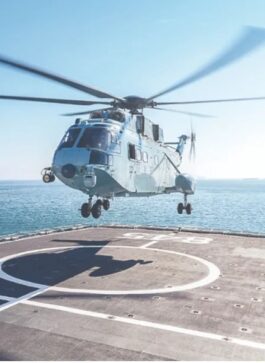
In order to thrive in the twenty-first century, a country with an interest in the use of the sea needs to develop and implement a coherent maritime strategy – galvanizing the sea power of the state and society.1
In national security affairs what often marks Australia’s experience is an insular imagination, a feature that is most striking when it comes to understanding the importance of the sea. Despite being an island-continent dependent on seaborne trade, Australia has undergone a two-century long adolescence in appreciating the significance of the sea in strategy.
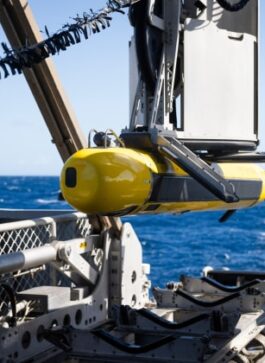
After distributed lethality, unmanned netted lethality
 By Javier Gonzalez*
Distributed lethality was introduced to the fleet in January 2015 as a response to the development of very capable anti-access area-denial (A2/AD) weapons and sensors specifically designed to deny access to a contested area. The main goal is to complicate the environment for our adversaries by increasing surface-force lethality—particularly with our offensive weapons—and transform the concept of operations for surface action groups (SAGs), thus shifting the enemy’s focus from capital ships to every ship in the fleet.
By Javier Gonzalez*
Distributed lethality was introduced to the fleet in January 2015 as a response to the development of very capable anti-access area-denial (A2/AD) weapons and sensors specifically designed to deny access to a contested area. The main goal is to complicate the environment for our adversaries by increasing surface-force lethality—particularly with our offensive weapons—and transform the concept of operations for surface action groups (SAGs), thus shifting the enemy’s focus from capital ships to every ship in the fleet. Deglobalisation will change mission of naval forces
 By T. X. Hammes*
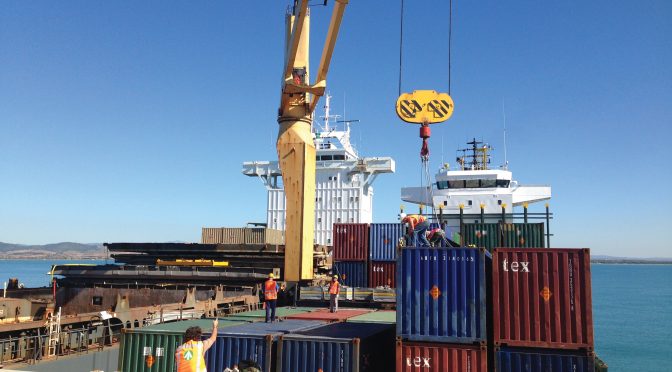
Since the end of World War II, the United States has consistently supported greater global integration. U.S. leaders saw this as the route to both prosperity and security. After the shock of Korea, the United States consistently forward deployed its armed forces to support this policy. The following decades of increasing global trade seem to validate this strategy. However from 2011 to 2014, manufacturing trade as a percentage of GDP actually flattened and then declined from 2011 to 2014.
By T. X. Hammes*
Since the end of World War II, the United States has consistently supported greater global integration. U.S. leaders saw this as the route to both prosperity and security. After the shock of Korea, the United States consistently forward deployed its armed forces to support this policy. The following decades of increasing global trade seem to validate this strategy. However from 2011 to 2014, manufacturing trade as a percentage of GDP actually flattened and then declined from 2011 to 2014. Pretty vacant. Some random thoughts on WWI
By Mike Fogarty*
TO WHAT extent was the Australian Imperial Force’s experience in the First World War similar to the experience of the other components...
World Naval Developments – August 2016
 By Norman Friedman*
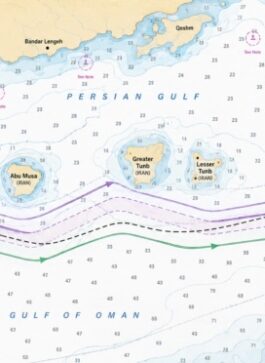
 Navy faces ‘new normal’ in Persian Gulf: more Iran provocations
By Robert H. Reid
U.S. sailors in the Persian Gulf can expect increased harassment by Iranian vessels as Iran’s hard-liners seek to bolster their...
Navy caught between devil and deep sea after data leak
By Pradip R Sagar
The Scorpene leaks has put the Indian Navy in deep waters. The scandal has detonated depth charges under its plans for...
Navantia signs for frigate risk reduction and design study
 Navantia has signed an agreement with the Commonwealth of Australia for the risk reduction and design study (RRDS) phase of the Royal Australian Navy’s (RAN) SEA 5000 Future Frigate program. The agreement is for approximately one year, and is part of a competitive evaluation process (CEP) undertaken by the Australian Department of Defence for the frigate program.
 Beans, bullets and benzene: proposal for naval distribution
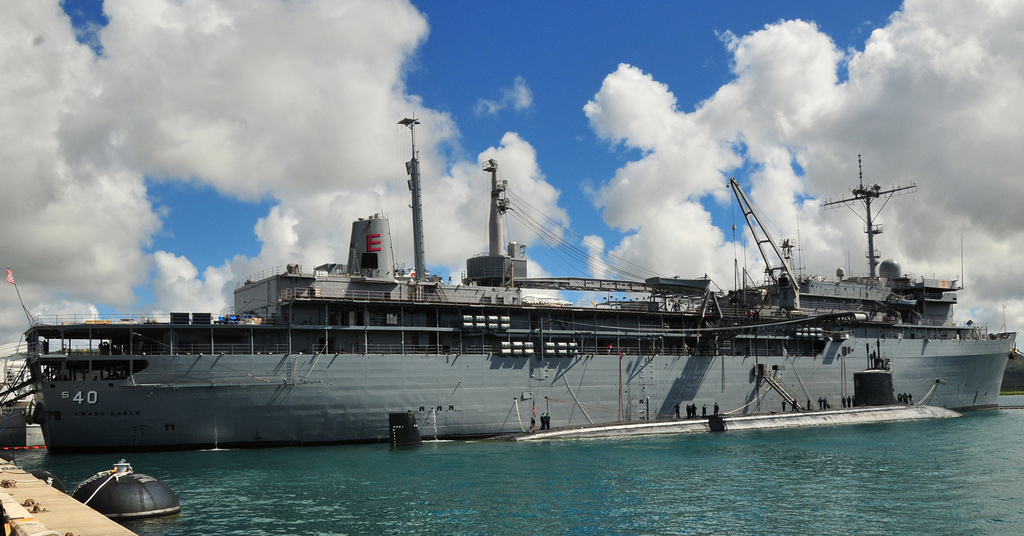 A new proposal for distributing fuel, ammunition and food over the oceans.
 Tactical information warfare and distributed lethality
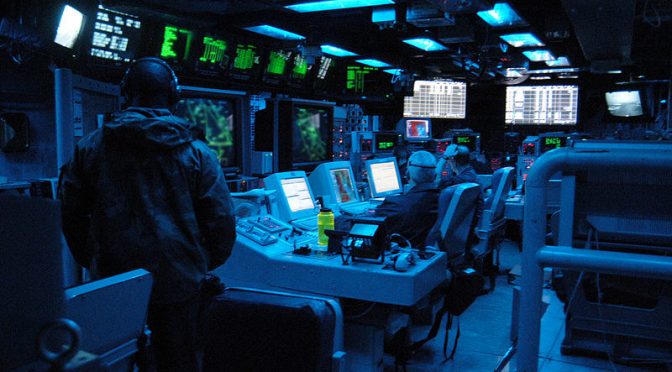 By Richard Mosier looks at the role of information warfare in the U.S. Navy’s distributed lethality strategy to deny sea control to adversaries claiming sovereignty over international waters.