



HMAS Canberra and HMAS Shropshire: never say die
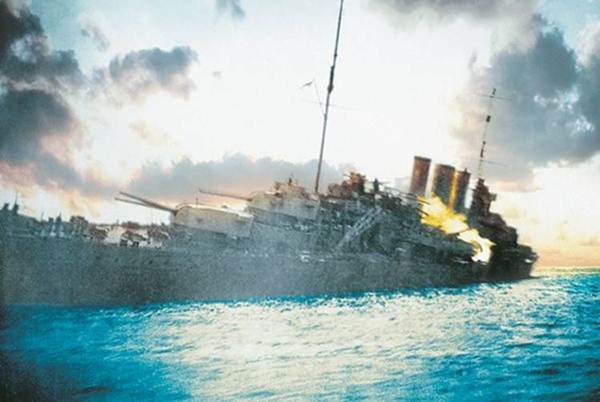 On 9 August 1942 HMAS Canberra was lost in the night battle of Savo Island while protecting the Guadalcanal beachheads as part of a USN Task Force. Eighty four of her ship's company lost their lives. This account of the loss of the ship, and what became of her surviving crew when they took HMAS Shropshire to war, was prepared for a speech written for delivery at this year's Canberra memorial service in Canberra by LCDR Desmond Woods, RANR.
 World Naval Developments – July 2016
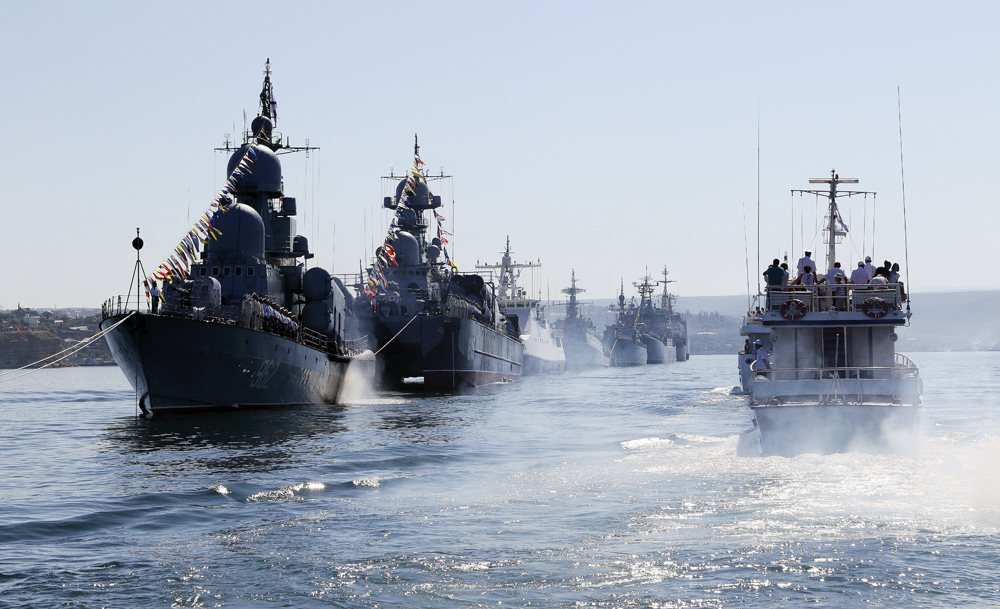 Norman Friedman looks at the consequences of Russian President Vladimir Putin firing the entire leadership of his Baltic Fleet, a purge on a scale not seen since Stalin’s bloody purges of the 1930s.
 Ohio replacement to honor DC
The Navy’s new planned class of ballistic missile submarines will be named in honor of the District of Columbia, two Navy officials confirmed to...
New clue in search for USS Indianapolis
More than 70 years after the cruiser USS Indianapolis (CA-35) was sunk, a new clue discovered by a Navy researcher could give expeditions hunting...
UK votes to renew RN’s Trident n-weapons program
The U.K. House of Commons approved a measure to renew the Royal Navy’s Trident nuclear weapons program and continue funding for four planned Successor-class...
China ‘will not stop Spratly build’
The head of the People’s Liberation Army Navy told his U.S. counterpart that China has no intention of stopping its island building campaign in...
Video: Former Frigate USS Thach hit in live fire sinking exercise
Former Frigate USS Thach hit in live fire sinking exercise
Russian destroyer shadows USS America
A Russian destroyer shadowed the amphibious assault ship USS America (LHA-6) on July 16 and 17 during the Rim of the Pacific 2016 exercise,...
US Navy names carrier unmanned aerial vehicle
After months of deliberation, the name and designation of the Navy’s first carrier unmanned aerial vehicle are now official: MQ-25A Stingray, service officials told...
Unmanned technologies hitting the mark in US
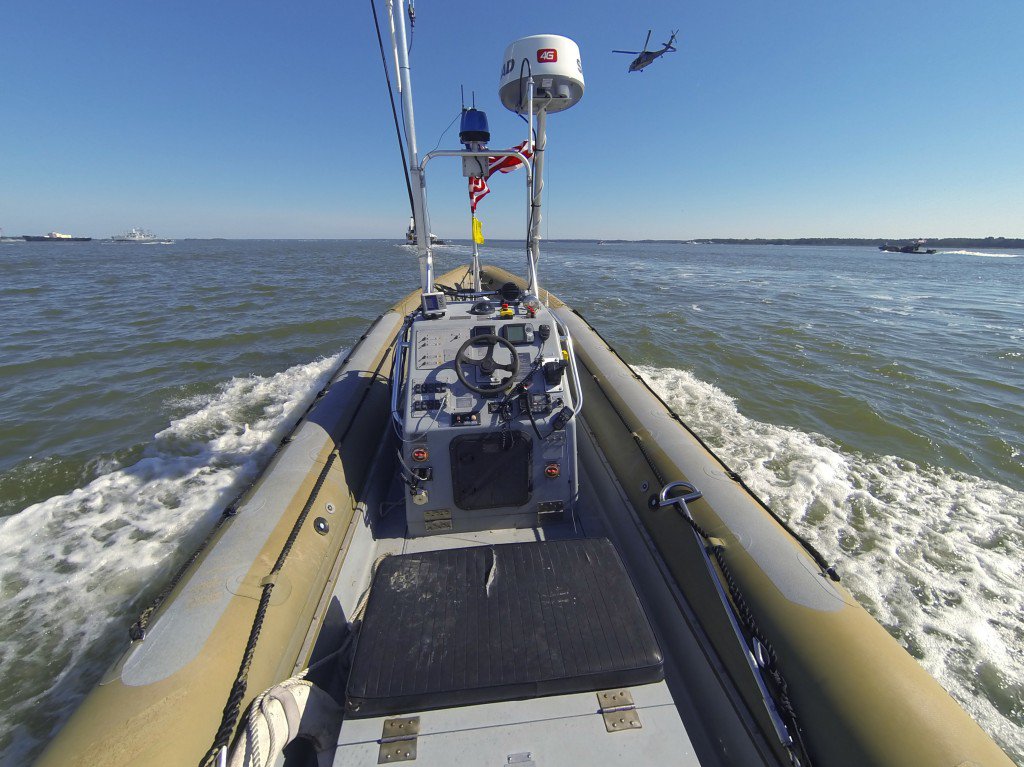 William Roper is “buying time” for the rest of the Pentagon, he told Breaking Defense. His Strategic Capabilities Office finds near-term but game-changing upgrades for existing weapons systems, preserving American advantage over rapidly advancing adversaries while DARPA and Defense Department labs develop a new generation of breakthroughs.