


Getting realistic about the South Pacific
By James Batley*
Advocates of stronger and more effective Australian engagement in the South Pacific face a couple of entrenched structural challenges. First, the region...
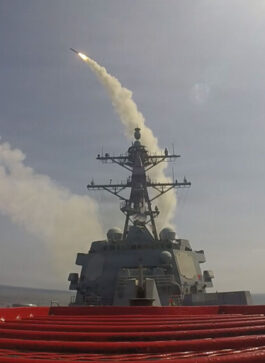
Should US arm Ukraine with anti-ship missiles?
By Mykola Bielieskov *
When it comes to U.S. military-technical assistance for Ukraine in the context of Russian aggression, sharing the Javelin anti-tank guided missile...
Navy continues training contract with ASC
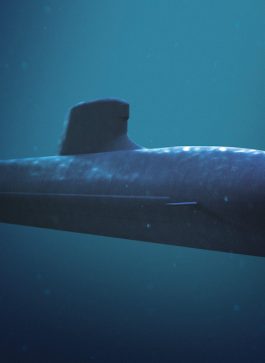
The Department of Defence has re-engaged ASC Pty Ltd to continue to deliver Royal Australian Navy’s training services for the Collins class submarine program....
Bring Australia’s Navy home from the Middle East
By David Brewster*
Last Wednesday, the Royal Australian Navy (RAN) frigate HMAS Warramunga (pictured) docked at Garden Island, ending a nine-month deployment to the western...
China, ASEAN and the South China Sea
By Huong Le Thu*
The announcement earlier this month that ASEAN and China had agreed on a single draft code of conduct negotiating text over...
Australia faces unprecedented set of security challenges
By Albert Palazzo*
There’s broad agreement among defence thinkers and academics that the international security environment is on the cusp of significant change. Dominating the...
Nuship Brisbane on sea trials
NUSHIP Brisbane is the second of three destroyers being built and integrated by the Air Warfare Destroyer Alliance, comprised of the Department of Defence,...
Beijing’s maritime ‘gifts’
By Euan Graham*
China’s growing naval and paramilitary might receives daily attention. But what of China’s emerging role as a provider of capacity to coastal...
Increasing defence spending will only provoke China
By Mike Scrafton
Good policymaking, including strategic policymaking, requires a number of steps. There has to be an objective reason why the government should or...
Amphibious landing defaults to Adelaide
ASPI on sea state:
The multinational Rim of the Pacific Exercise concluded this week with an amphibious landing trial. The US was supposed to participate,...