

Mines and naval diving developments
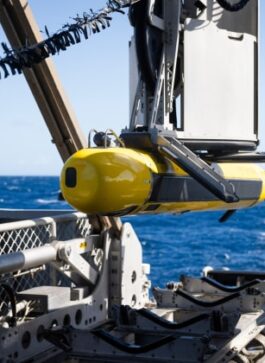
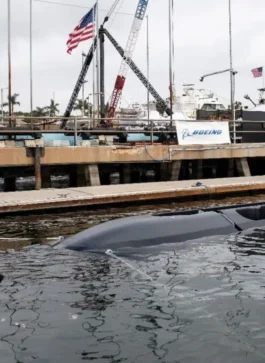
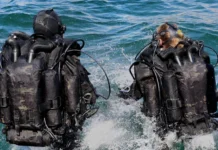
For much of the post-Cold War period, the naval mine has occupied a marginal place in defence thinking. Despite becoming increasingly technically formidable and...
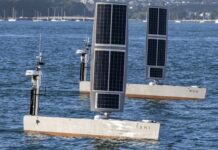
RNZN USVs conduct narcotics trafficking patrol
On 22 May it was announced by the Royal New Zealand Navy’s (RNZN) that its two Uncrewed Surface Vessels (USVs) completed the second of...
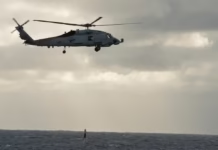
Combining sonar defence roles
As the Iran war has shown, detecting and sweeping mines is one of the biggest challenges for the U.S. Navy. Meanwhile, the sea service...
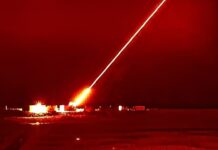
Killing drones at the speed of light
The Australian Strategic Policy Institute (ASPI) is pleased to release a new explainer examining the opportunities and challenges that directed energy weapons (DEW) present...

Naval warfare: asymmetry rising
By Rudraksh Pathak*
Naval warfare is approaching a point where the traditional capital ship is no longer an unambiguous asset in contested waters. For decades,...
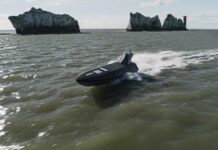
UK goes for more uncrewed vessels
The Royal Navy is preparing to acquire a fleet of 20 uncrewed surface vessels under a programme known as Project Beehive, according to a...

RAN Receives 40 Bluebottle USVs
On 12 March the RAN took delivery of 40 new Australian-designed and built Bluebottle uncrewed surface vessels (USV) – one of the world’s largest...

Ukraine’s innovative online supply shop
It may look like an online shop, but the Brave1 Marketplace has been designed for war. Created by Ukraine's state-funded defence innovation programme, Brave1,...

US set to deploy two drone vessels
After rounds of prototyping, the US Navy is ready to deploy two of its medium-sized drone vessels this year and even integrate one with...

Chinese submersible’s 5277m dive
For the first time, scientists have used a crewed scientific submersible to slip beneath thick Arctic pack ice and reach a hidden mountain range...